Best Crochet Project Bags and Storage (Stay Organized)
If you have ever pulled a half-finished project out of a grocery bag only to find the yarn tangled around itself, your hook missing, and a stray stitch…

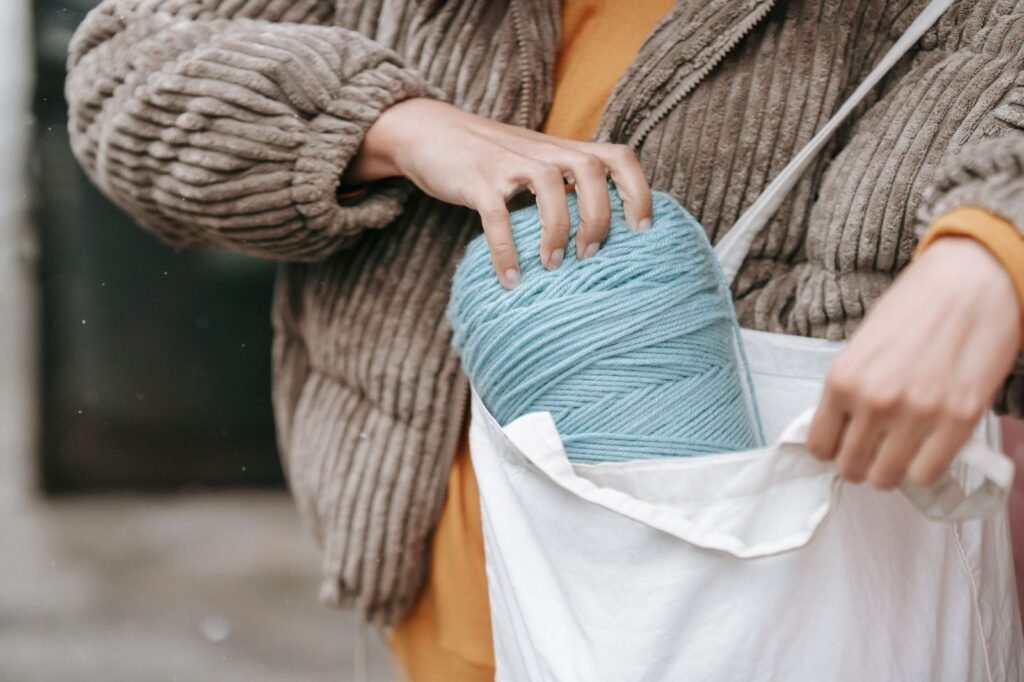
If you have ever pulled a half-finished project out of a grocery bag only to find the yarn tangled around itself, your hook missing, and a stray stitch marker rolling loose in the bottom, you already know why a proper project bag earns its keep fast. A good bag does three simple jobs: it keeps your yarn clean and contained, it stops the skein from unraveling into a mess as you work, and it keeps your hooks and notions from disappearing into the bottom of your bag. Here is what actually matters when you are choosing one.
Jump to section
*Disclosure: Crochet Crafty may earn a small commission from links on this page, at no extra cost to you. We only recommend gear we’d hand a real beginner.*
What to Look For in a Project Bag
A secure closure. A zipper or a cinched drawstring top keeps your yarn, hook, and notions from spilling out if the bag tips over in a car, on a bus, or just next to the couch. An open tote with no closure at all is fine for a quick trip across the room, but it is a liability anywhere your project might get jostled or knocked over.
Yarn-guide grommets or holes. This is the single feature that separates a dedicated project bag from a regular tote. A small reinforced hole or grommet in the side or top of the bag lets you feed the working end of your yarn through while the skein stays contained inside, fully protected from tangling, rolling away, or picking up pet hair and lint. If you make more than the occasional project, this feature alone is worth prioritizing.
Pockets for hooks and notions. Look for at least one or two interior or exterior pockets sized for hooks, stitch markers, a small pair of scissors, and a yarn needle. Loose notions are the number one thing that gets lost inside a plain, undivided bag, so dedicated slots make a real difference in how often you are digging around for a hook mid-row.
A size that matches your projects. A bag that is too small will not hold a full skein comfortably, let alone the multiple skeins a bigger project needs, while a bag that is far too large lets everything shift around and tangle regardless of the grommets. Think about the projects you actually make most before choosing a size.
Sturdy, washable material. Yarn attracts lint, and project bags travel, so a durable fabric that wipes clean or tosses in the wash keeps your bag looking good and your yarn free of debris over time.
Zipper vs. Drawstring – A Quick Trade-Off
Both closures do the job, but they suit slightly different habits. A zipper gives you a fully sealed bag, which is the better choice if you toss your project bag into a larger tote, a car seat, or a backpack alongside other things, since nothing can work its way out through a gap. A drawstring top is faster to open and close one-handed, which matters if you like to dip in and out of a project during small pockets of downtime, like waiting rooms or breaks at work. Neither is objectively better, so pick based on whether you value a fully sealed bag or quick, one-handed access more.
Small Project Bags vs. Larger Totes – Which You Need
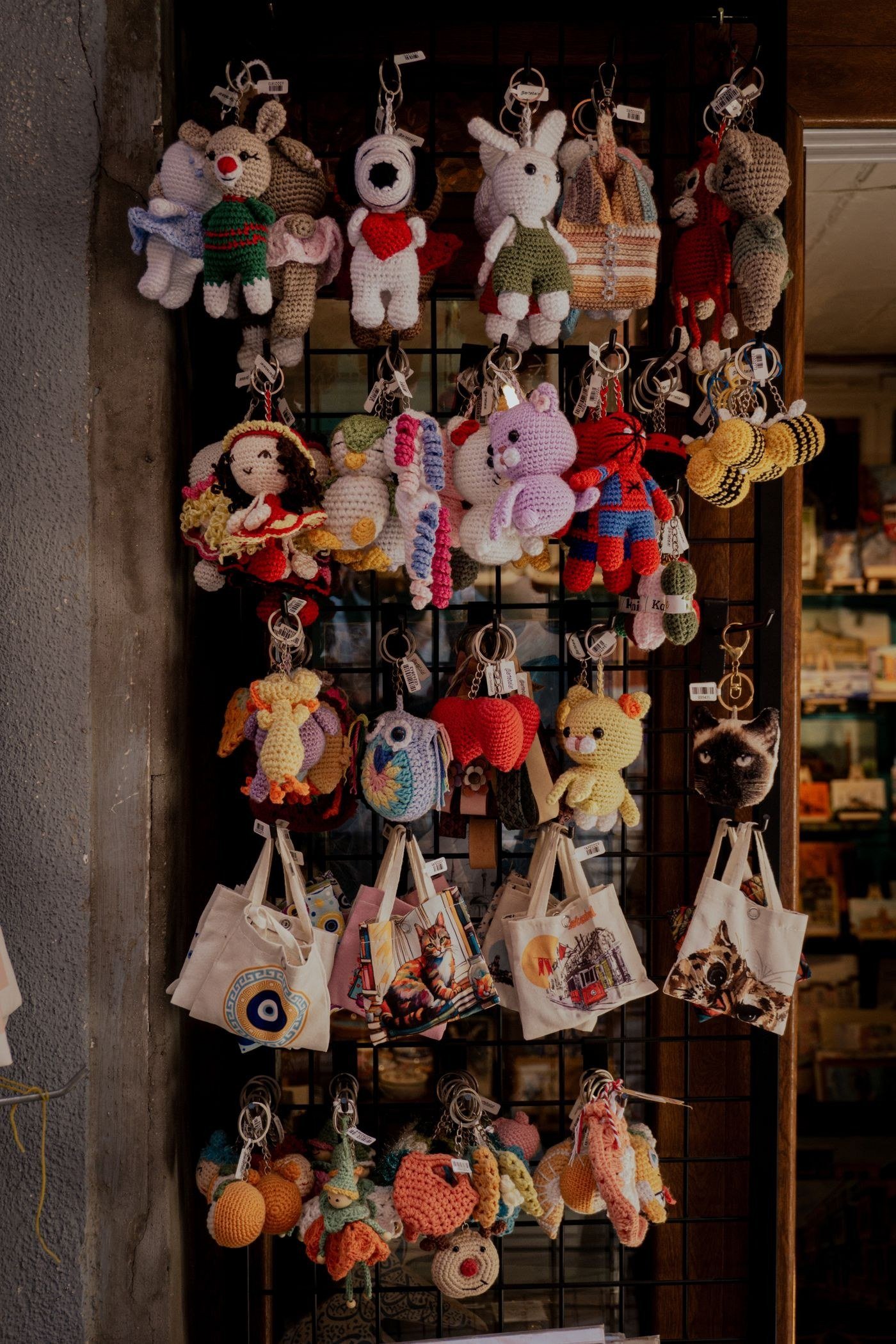
Small project bags (often sized for a single skein or two) are built for portability first. They are the right choice for on-the-go projects like amigurumi, small accessories, granny squares, or anything you like to carry to appointments, on a commute, or to a crochet group. Their compact size means the yarn-guide grommet works especially well, since there is only one skein to manage inside a contained space.
Larger totes are built for bigger, in-progress projects like blankets, garments, or anything using several skeins at once. Look for one with multiple compartments or a divided interior so multiple colors do not tangle together, plus a sturdy base and handles that can comfortably carry the weight of a half-finished blanket. A larger tote is also a practical way to keep an in-progress project fully contained between sessions, so you are not gathering scattered yarn and tools from around the house every time you sit down to work.
Many crocheters end up owning both: a small bag for portable, take-anywhere projects and a larger tote that lives by the couch for whatever the current big project is.
Taming the Rest of Your Yarn Stash
A project bag solves the “in progress” problem, but most crocheters also build up a stash of yarn that is not currently in use. A few simple habits keep that from turning into chaos:
Sort by weight or project. Grouping yarn by weight category, or by the project you bought it for, makes it far easier to find what you need later instead of digging through a mixed pile.
Use clear bins or drawers for long-term storage. Being able to see what is inside without opening every container saves real time, especially once your stash grows past a shelf or two.
Keep a small “current projects” zone separate from deep stash. Store the yarn for whatever you are actively working on somewhere easy to grab, like your project bag or a nearby basket, and reserve deeper storage bins for yarn you are not touching yet.
Protect stash yarn from pests and dust. Sealed bins or bags matter more than most new crocheters expect, since natural fibers in particular can attract moths if left loose for long periods. A simple lidded bin is enough for most home stashes.
Label as you go. A sticky note or tag with the yarn weight, fiber content, and intended project saves you from having to guess later, especially once you own more than a handful of skeins.
Do a seasonal check-in. Every few months, take a few minutes to look through your stash, note anything that has been sitting untouched for a long stretch, and either plan a project for it or set it aside to pass along. A stash you actually know the contents of is far easier to shop around than one that has quietly grown into a mystery pile.
The Honest Bottom Line
You do not need an elaborate bag to enjoy crochet, and plenty of makers get by for years with a simple tote. But if tangled yarn, lost hooks, or a project that never quite stays contained is slowing you down, a bag built specifically for the job, with a secure closure, a yarn-guide grommet, and a few dedicated pockets, solves that problem almost entirely and pays for itself the first time you do not have to untangle a skein before you can start stitching. Match the bag size to what you actually make, add a bit of stash organization on the side, and the “where did my hook go” moments mostly disappear.
Frequently asked questions
Can I just use a regular tote bag instead of a dedicated crochet project bag?
For casual, short-term projects you can, but a plain tote lacks a yarn-guide grommet and dedicated pockets, so your skein is more likely to tangle or roll loose compared to a bag built specifically for crochet.
How do I stop my yarn from tangling with my hook and notions inside the same bag?
Choose a bag with separate interior pockets for hooks and notions so they are not loose alongside your skein, and use the yarn-guide grommet so the working yarn feeds out cleanly instead of drifting around inside.
What size project bag do I actually need for something like amigurumi or a granny square?
A small bag sized for one or two skeins is usually plenty, since amigurumi and granny squares use modest amounts of yarn and benefit most from the portability a compact bag offers.
How do I protect my yarn stash from moths or other pests long-term?
Store yarn, especially natural fibers like wool, in sealed bins or bags rather than open baskets or shelves, since loose fibers left out for long stretches are what tends to attract moths in the first place.
Does a single yarn-guide grommet work for a two-color striped project?
Most single grommets are built for one skein at a time, so a two-color striped project usually works better in a larger tote with a divided interior, or by using two smaller bags side by side.
— NoraEvery pattern hand-tested