Acrylic vs. Wool Yarn: Which Is Better for Beginners? (Honest Take)
Walk into a craft store as a new crocheter and you'll find two big camps staring at each other across the yarn aisle: the budget-friendly wall of acrylic…

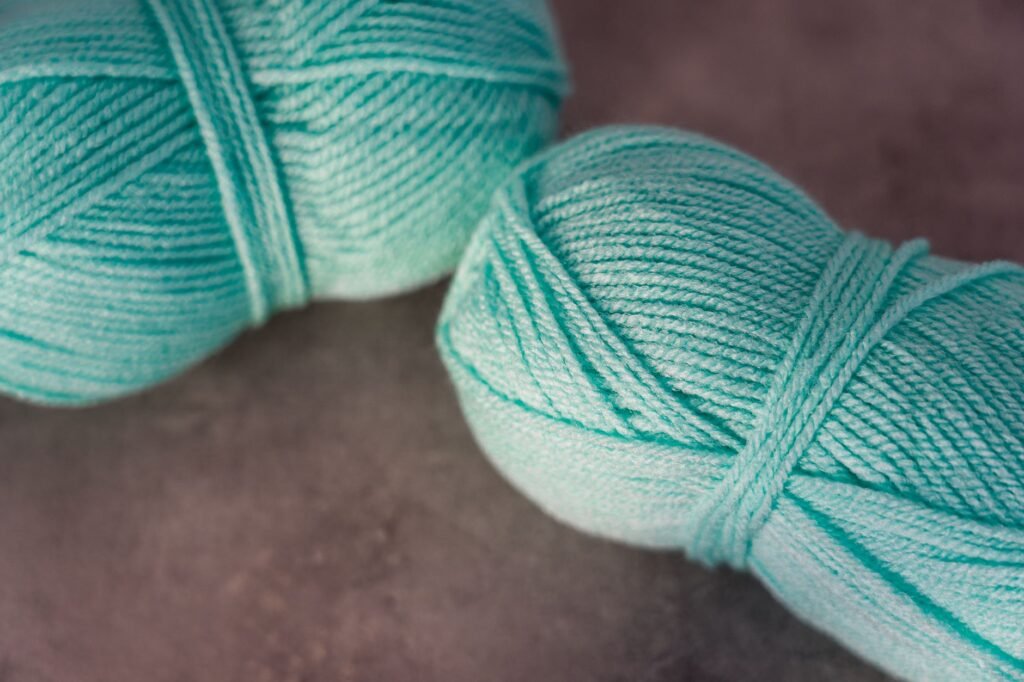
Walk into a craft store as a new crocheter and you’ll find two big camps staring at each other across the yarn aisle: the budget-friendly wall of acrylic in every color imaginable, and the smaller, pricier shelf of wool that somehow feels more “serious.” It’s easy to assume the wool is automatically the better yarn and the acrylic is just the cheap stand-in until you’re “good enough” for the real stuff. That assumption is wrong, and it keeps a lot of beginners from buying the yarn that would actually serve them best right now.
Jump to section
*Disclosure: Crochet Crafty may earn a small commission from links on this page, at no extra cost to you. We only recommend yarn we’d hand a real beginner.*
Let’s break this down honestly – no snobbery, no pretending one fiber is universally “better.” They’re just different tools for different jobs, and knowing the real tradeoffs will save you money and frustration.
Acrylic Yarn: The Honest Pros and Cons
Acrylic is a synthetic fiber, spun to mimic the feel of natural wool at a fraction of the cost. It’s the yarn most beginners start with, and for good reason.
The Upsides
Affordable. Acrylic is generally the most budget-friendly fiber category, which matters a lot when you’re still figuring out if crochet is a hobby you’ll stick with, or when you’re making something large like a blanket that eats up a lot of yarn.
Durable. Acrylic holds up to real use. It resists moths (a genuine threat to wool storage), doesn’t break down quickly, and can take a beating from kids, pets, and everyday wear.
Machine-washable. Most acrylic yarn can go straight into the washing machine and dryer, which makes it the practical choice for baby items, blankets, dishcloths, or anything that’s going to get dirty and need real cleaning, not delicate hand-washing.
Forgiving. Acrylic has some give but doesn’t shift or “grow” much over time the way some natural fibers can, and it’s generally easy to frog (unravel and reuse) when you make a mistake, which you will, often, as a beginner.
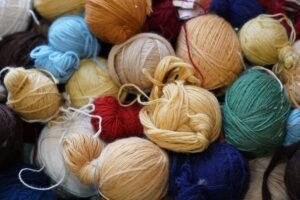
Available everywhere, in every color. Craft stores stock enormous color ranges in acrylic, and you can find it at big box stores, craft chains, and online with no trouble. If you want a very specific shade for a gift or a themed project, acrylic is where you’ll find it.
The Downsides, Honestly
Acrylic can pill (form little fuzz balls) with friction over time, especially on items that get rubbed a lot, like sweater sleeves or blanket edges. Some acrylic yarns feel squeaky or plasticky to the touch, particularly cheaper lines, and it doesn’t breathe the way natural fiber does, so it can feel warm and a little sweaty in wearable items. And practically speaking, acrylic melts rather than burns, which matters mainly around open flames or high heat – not a daily concern, but worth knowing.
Wool Yarn: The Honest Pros and Cons
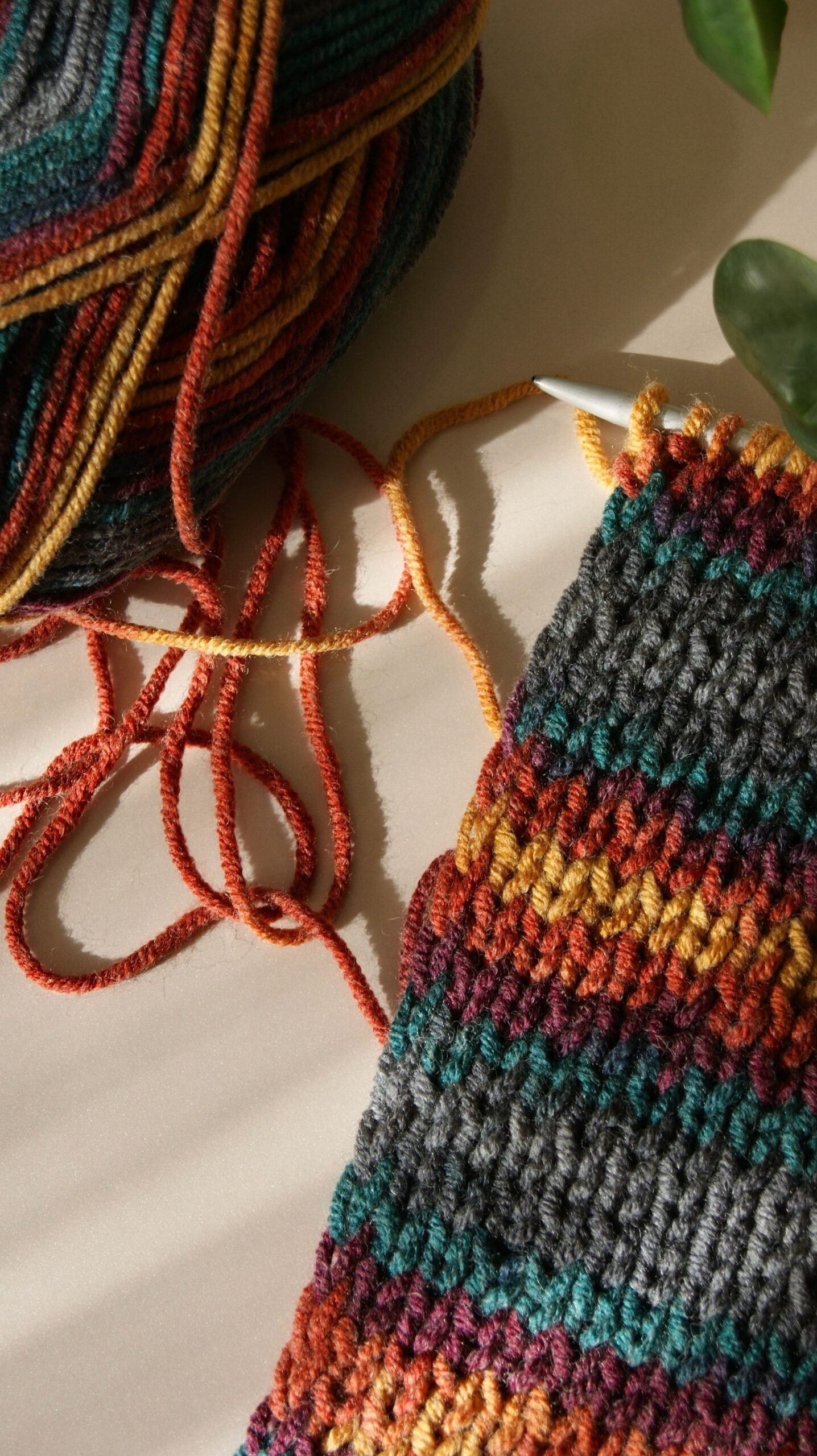
Wool is a natural fiber, shorn from sheep, and it’s been the go-to for handmade textiles for a very long time – for good reasons of its own.
The Upsides
Warm. Wool is genuinely excellent at insulating, which is why it’s the traditional choice for hats, mittens, and cold-weather garments.
Breathable. Unlike acrylic, wool lets air and moisture move through it, so wool garments tend to feel less sweaty and more comfortable against skin over long wear.
Elastic and springy. Wool has natural memory – it stretches and bounces back, which makes it especially nice for anything fitted, like hats, socks, or garments that need to hold their shape.
Blocks beautifully. Wool responds to blocking (a finishing technique using water or steam to shape and even out stitches) better than most synthetics, which is a big reason experienced makers reach for it on garments and lace work where crisp, even stitches matter.
Biodegradable. As a natural fiber, wool breaks down over time instead of persisting like plastic-based fibers, which appeals to makers thinking about environmental impact.
The Downsides, Honestly
Wool is pricier than acrylic, sometimes considerably so. It’s often hand-wash only, or at least requires more careful laundering, though superwash wool (treated so it can go in the machine) does exist and is worth looking for if easy care matters to you. Some wool can feel itchy against skin, especially for sensitive people or scratchier, less-processed varieties, though this varies a lot by breed and processing. And wool can felt – meaning the fibers can mat together permanently – if it’s washed too aggressively or with too much heat and agitation, which is an easy mistake for a beginner to make with an unfamiliar fiber.
A Quick Word on Cotton
Cotton deserves a mention even though it’s not the main event here. It’s a natural fiber that’s sturdy, machine-washable in most cases, and excellent for dishcloths, market bags, and anything that needs to hold its shape and handle water. The tradeoff is that cotton has very little stretch compared to acrylic or wool, so it’s a poor choice for fitted garments or anything that needs give – but for kitchen and home projects, it’s a genuinely great pick.
Which to Choose for Which Project (and Budget)
Think about what the finished piece actually needs to do, not which fiber sounds fancier.
Blankets, especially baby blankets or anything that’ll get washed often: acrylic is the practical winner. Machine-washable, durable, budget-friendly for a project that eats a lot of yardage.
Dishcloths, market totes, home items that touch water: cotton, for its sturdiness and washability.
Cold-weather hats, mittens, cowls, and anything worn close to skin in winter: wool or a wool blend, for the warmth and breathability, if the price and hand-wash care work for you.
Practice projects, swatches, and general learning: acrylic, every time. You’ll be making mistakes and frogging often, and acrylic is cheap and forgiving enough that it won’t sting to redo a project three times.
Gifts where color matters a lot: acrylic’s huge color range makes it easier to match a specific palette.
Fitted garments and anything you want to block into a crisp shape: wool earns its reputation here – it’s worth looking around to check current options if you want to explore a beginner-friendly wool or wool-blend skein.
If budget is tight or you’re still building your project pile, lean toward an affordable acrylic worsted weight and don’t feel one bit bad about it.
The Verdict: No Yarn Snobbery Here
Here’s the honest bottom line: acrylic is the best starting yarn while you’re learning. It’s affordable enough that mistakes don’t cost you much, it’s durable enough to survive being frogged repeatedly, and it’s easy to care for while you’re focused on stitches, not fiber maintenance. There is nothing “lesser” about making a beautiful blanket, hat, or amigurumi in acrylic – plenty of experienced makers still reach for it constantly, for exactly the reasons above.
Wool blends are absolutely worth exploring as you level up, especially once you’re making fitted pieces or want that warmth and springy stitch definition that wool does so well. But that’s a “when you’re ready for it” upgrade, not a prerequisite for being a “real” crocheter. If you’ve ever felt talked down to for using acrylic, or nudged to feel like wool is the only “legitimate” yarn, ignore it – that’s yarn snobbery, and it has no place in a hobby that’s supposed to be about making something you’re proud of with what works for you. A well-stocked yarn shop is a good place to start browsing if you want to see what’s out there before you commit to your next skein.
Buy the yarn that matches your project and your budget, not the one that sounds the most impressive. Your finished piece won’t know the difference – and neither will anyone who receives it as a gift.
Frequently asked questions
Is acrylic yarn bad for beginners?
No – acrylic is actually the recommended starting yarn. It’s affordable, durable, machine-washable, and easy to frog when you make mistakes, which makes it forgiving while you’re still learning stitches.
Can I put wool yarn in the washing machine?
Regular wool is usually hand-wash only and can felt (mat together permanently) if washed too aggressively with heat and agitation. Superwash wool is treated to allow machine washing, so look for that label if easy care matters to you.
What yarn is best for a baby blanket?
Acrylic is the practical winner for blankets, especially baby blankets, since it’s machine-washable, durable, and budget-friendly for a project that uses a lot of yardage.
Why do some acrylic yarns feel scratchy or plasticky?
This tends to happen with cheaper acrylic lines – they can feel squeaky or plasticky to the touch and don’t breathe the way natural fiber does, which is why some wearable items can feel warm and a little sweaty.
— NoraEvery pattern hand-tested