Crochet Yarn Weights Explained: “Weight” Isn’t What You Think
If you picked up a ball of yarn expecting "weight" to mean how heavy it is in your hand, you're not alone - and you're also not right, which is honestly…

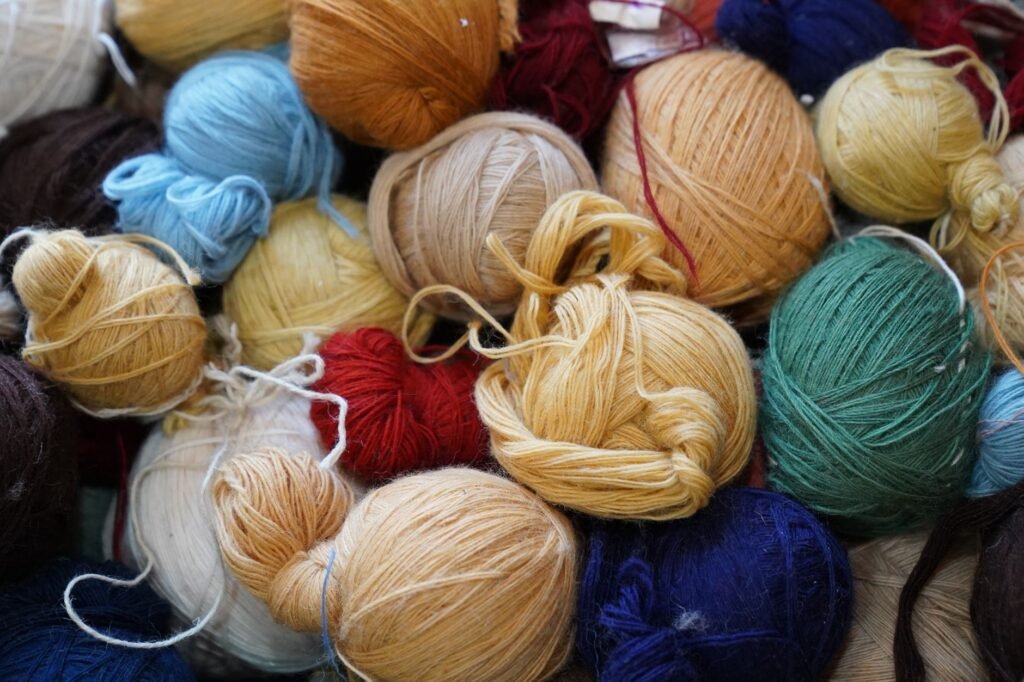
If you picked up a ball of yarn expecting “weight” to mean how heavy it is in your hand, you’re not alone – and you’re also not right, which is honestly a relief once you know it. In the yarn world, “weight” has nothing to do with grams or ounces. It means how thick the strand of yarn is. A “heavy” weight yarn (like bulky) is thick. A “light” weight yarn (like fingering) is thin. That’s it. That’s the whole trick, and once it clicks, half of the confusing stuff on yarn labels starts making sense.
Jump to section
This mix-up trips up almost every new crocheter, and it’s not your fault – “weight” is just a strange word choice for “thickness.” So let’s clear it up properly: what the weight system actually means, how to read it off a label, and which weight to reach for when you’re just starting out.
Yarn “Weight” Means Thickness, Not Heaviness
Picture a strand of yarn as a piece of string. Some strings are thin like sewing thread. Some are thick like rope. Yarn weight is a scale that sorts yarn by that thickness, from the finest threads used for delicate lace to the thickest cords you can barely bend a hook through.
Two balls of yarn can weigh the exact same number of grams and still be completely different weights, because one might be a small ball of thick yarn and the other a big ball of thin yarn. The label’s gram count tells you mass. The weight number or name tells you thickness. They are answering two different questions, and only one of them – thickness – affects how you crochet with it.
The Standard Weight System, 0 Through 7

The yarn industry uses a numbered system (with matching names) to standardize this, so a “worsted” yarn from one brand behaves roughly like a “worsted” yarn from another. Here’s the full range, thinnest to thickest:
0 – Lace. Very fine, almost thread-like. Used for delicate doilies, fine shawls, and heirloom-style lace work. Not a beginner-friendly choice – it’s fiddly and hard to see your stitches.
1 – Super Fine (also called Fingering or Sock). Thin yarn often used for socks, lightweight shawls, and baby items. Popular with sock knitters and crocheters who want fine detail.
2 – Fine (also called Sport). A step up from fingering. Good for light garments, baby blankets, and accessories where you want some drape without bulk.
3 – Light (also called DK, short for Double Knit). A versatile in-between weight – lighter than worsted but sturdier than sport. Popular for garments, lighter blankets, and amigurumi where finer detail matters.
4 – Medium (also called Worsted or Aran). The all-purpose workhorse. Sweaters, blankets, scarves, hats, dishcloths, amigurumi – this weight does it all, which is exactly why it’s the go-to for most patterns and most beginners.
5 – Bulky. Thick, fast-growing yarn. Great for cozy blankets, chunky hats, and quick projects where you want visible, dramatic stitches.
6 – Super Bulky. Even thicker. Popular for statement blankets, floor poufs, and “speed crochet” projects that use giant hooks.
7 – Jumbo. The thickest category, sometimes barely qualifying as “yarn” at all – some jumbo yarns are more like roving or cord. Used for arm-crochet and extreme-chunky home decor pieces.
How to Read a Yarn Label
Every yarn label is a small instruction manual, and once you know what to look for, it takes seconds to read. Look for these pieces of information:
The weight symbol or number. Most labels show a little skein icon with a number (0-7) inside it, or the weight name spelled out (like “Worsted” or “Bulky”). This is your thickness category.
Recommended hook size. Somewhere on the label, usually near the weight symbol, you’ll see a suggested crochet hook size – often given in millimeters (mm) and sometimes also a US letter/number size. This is the manufacturer’s best guess at what hook will give you a nice, balanced fabric with that specific yarn.
Gauge. This tells you how many stitches and rows you should get over a 4-inch (10 cm) square using the recommended hook, typically in single crochet or a similar basic stitch. Gauge matters most when a project needs to come out a specific size, like a garment.
Yardage and weight in grams/ounces. This tells you how much yarn is actually in the ball – how far it will stretch, not how thick it is. Don’t confuse this with the weight category.
Fiber content. What the yarn is made of – acrylic, cotton, wool, a blend, and so on. This affects feel, care, and how forgiving the yarn is to work with, separate from thickness.
Care instructions. Washing symbols or written instructions telling you whether it’s machine washable, hand-wash only, or dry clean.
Always check the label rather than guessing. Brands vary slightly, and the label is the manufacturer telling you exactly what that specific yarn wants.
The Easiest Weight for Beginners
If you’re just starting out, reach for a #4 medium (worsted) weight yarn with roughly a 5.0-5.5mm hook. There are a few honest reasons this combination works so well for new crocheters:
It’s thick enough to see your stitches clearly, which matters enormously when you’re still learning to recognize what a stitch looks like and where your hook goes next. Thinner yarns hide your work; thicker ones show it off.
It’s forgiving. Worsted weight has enough body that small tension inconsistencies – which every beginner has – don’t show up as dramatically as they would in a fine lace-weight project.
It’s everywhere. Worsted weight is the most widely available weight at craft stores, and most beginner patterns are written for it, so you won’t struggle to find yarn or matching patterns.
It moves at a reasonable pace. Not so thin that a blanket takes six months, not so thick that you lose control of the stitches like you might with bulky or super bulky yarn in unpracticed hands.
Matching Hook Size to Yarn Weight
As a general starting point (always check the label first, since it’s specific to that yarn):
- Lace (0): very fine steel or small hooks, often under 2.25mm
- Super fine/fingering (1): roughly 2.25-3.5mm
- Fine/sport (2): roughly 3.5-4.5mm
- Light/DK (3): roughly 4.5-5.5mm
- Medium/worsted (4): roughly 5.0-6.5mm
- Bulky (5): roughly 6.5-9mm
- Super bulky (6): roughly 9-15mm
- Jumbo (7): 15mm and up
These ranges overlap on purpose – crochet is flexible, and you can go up or down a hook size to loosen or tighten your fabric. But the label’s recommendation is your safest starting point, especially while you’re still building a feel for tension.
How Weight Changes Gauge and Finished Size
This is where weight stops being trivia and starts actually mattering to your projects. The yarn weight and hook size you use together determine your gauge – how many stitches and rows fit into a given space. Change the weight, and you change the gauge, and changing the gauge changes the finished size of whatever you’re making, even if you follow the exact same stitch count.
That’s why a pattern written for worsted weight yarn will come out noticeably smaller if you crochet it in fingering weight without adjusting the stitch counts, and noticeably larger (and yarn-hungrier) if you crochet it in bulky. For simple projects like a basic scarf or washcloth, this flexibility is actually fun to play with – go up a weight for a chunkier version, down a weight for a daintier one. For fitted projects like garments, it matters more, and swatching (making a small test square) before you commit is genuinely worth the ten minutes it takes.
The Bottom Line
Yarn weight is just a thickness label, not a scale reading. Once that idea settles in, the whole numbered system – 0 through 7, lace to jumbo – becomes a simple map instead of a mystery. Grab a worsted weight (#4) yarn and a hook somewhere around 5.0-5.5mm for your first projects, get comfortable seeing your stitches clearly, and let the label be your guide every time you pick up something new. That’s really all “weight” was ever asking of you.
Frequently asked questions
Does yarn weight mean how heavy the ball is?
No. Yarn weight refers to how thick the strand is, not how many grams or ounces the ball weighs. Two balls can weigh the same in grams and still be completely different weights if one is thick yarn and the other is thin yarn.
What yarn weight is best for a beginner?
A #4 medium (worsted) weight yarn with roughly a 5.0-5.5mm hook is the easiest starting point. It’s thick enough to see your stitches clearly, forgiving of uneven tension, widely available, and works at a reasonable pace.
How do I know what hook size to use with a particular yarn?
Check the yarn label for the recommended hook size, usually shown near the weight symbol in millimeters and sometimes a US letter/number size. As a general guide, thinner weights pair with smaller hooks and thicker weights pair with larger hooks, though the label’s recommendation for that specific yarn is always your safest bet.
Does changing the yarn weight change the size of a finished project?
Yes. The yarn weight and hook size together determine your gauge, and changing the gauge changes the finished size even if you keep the same stitch count – a pattern worked in fingering weight will come out smaller, and the same pattern worked in bulky will come out larger.
— NoraEvery pattern hand-tested