Crochet vs. Knitting: Which Is Easier to Learn?
If you have ever mixed up the words "crochet" and "knitting," you are far from alone - a lot of people use them interchangeably before they have tried…

If you have ever mixed up the words “crochet” and “knitting,” you are far from alone – a lot of people use them interchangeably before they have tried either craft. They are not the same thing, though, and if you are trying to decide where to start, it helps to understand exactly how they differ before picking one up. This is an honest, no-hype comparison of both crafts, written for someone standing in the yarn aisle wondering which one to try first.
Jump to section
The Tools Are Genuinely Different
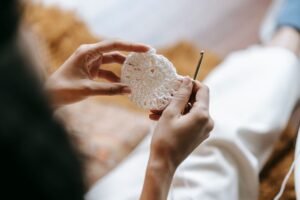
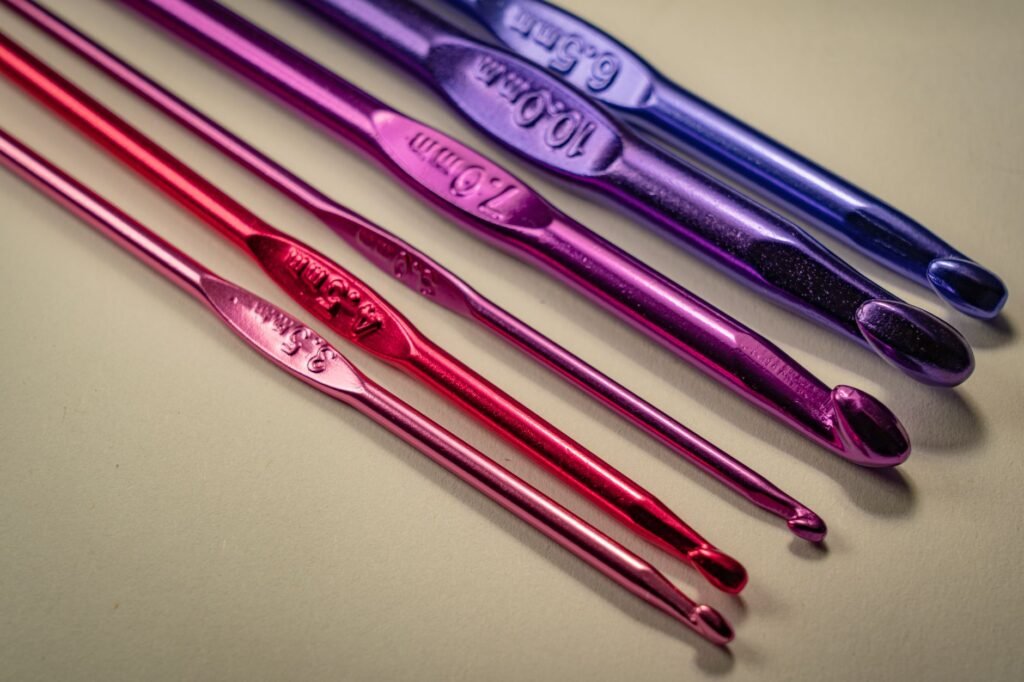
The most basic difference is right there in the supplies. Crochet uses a single hook (a short rod with a hooked end, sized to match your yarn weight) and works with one “live” loop on that hook at any given moment. Knitting uses two needles (or sometimes a circular needle, which is really two tips joined by a cord) and holds many live stitches at once, stretched across both needles as you work.
That difference in “how many live loops are you juggling” is the root of almost every other difference between the two crafts, from how mistakes happen to how the finished fabric looks and feels.
How the Fabric Comes Out Different

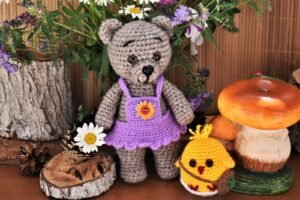
Crochet fabric tends to be thicker, more textured, and more sculptural. Because each stitch is built up and knotted into place with a hook, crochet naturally has more structure and body. This is part of why crochet is so well suited to three-dimensional shapes, stuffed toys, and sturdy items like bags and baskets – the fabric holds its own shape.
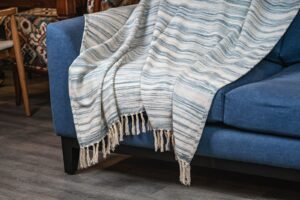
Knitting fabric tends to be thinner, stretchier, and drapier. The interlocking loop structure that knitting produces gives it more give and a smoother, more fluid drape, which is exactly why knitting is the go-to craft for close-fitting garments like sweaters and socks that need to stretch with the body.
Neither fabric is “better” – they are suited to different jobs, the way a knit t-shirt and a crocheted market bag are built to do completely different things.
Which One Is Easier to Learn
This is the question most beginners actually want answered, and honestly, crochet usually has the edge as a first craft – for a few concrete reasons.
Fewer live stitches means fewer disasters. In knitting, you typically have a whole row of stitches sitting on your needles at once, all of them “live” and able to unravel if they slip off. If a stitch drops in knitting, it can run down through several rows before you notice, and fixing it requires a specific skill (picking up a dropped stitch, or “frogging” back several rows). In crochet, you generally have just one loop on the hook at a time. If something goes wrong, it is much easier to see immediately and pull back a stitch or two rather than accidentally unraveling a large section.
Mistakes are easier to spot as you go. Because each crochet stitch is a distinct, knot-like unit sitting on top of the previous row, it is usually easier for a beginner to visually track where they are and catch an error right when it happens, rather than several rows later.
There is only one tool to manage. Holding a single hook is generally more intuitive for first-timers than coordinating two needles and keeping tension even across a whole row of live stitches, which takes knitting beginners a little longer to get comfortable with.
None of this means knitting is hard or that crochet has no learning curve of its own – reading a pattern, counting stitches, and keeping even tension take practice in both crafts. But for most total beginners, crochet’s single hook and single live loop make the first few weeks noticeably more forgiving.
Speed and Yarn Use
Crochet is generally faster to work up than knitting, stitch for stitch, mainly because crochet stitches (especially taller ones like double crochet) cover more height per stitch than a typical knit stitch. That is a big part of why crochet is so popular for quick projects like dishcloths, amigurumi (crocheted or knitted stuffed creatures), and blankets that need to come together in a reasonable number of sessions.
On yarn use, the two crafts are fairly comparable overall, though crochet’s denser fabric structure can mean it uses somewhat more yarn than a comparably sized knit piece, depending on the stitch pattern chosen.
What Each Craft Really Excels At
Crochet Shines At
- Amigurumi and other 3D, sculptural shapes
- Blankets and afghans with texture and structure
- Bags, baskets, and other items that need to hold their shape
- Edgings and trim added to other fabric
- Fast, forgiving beginner projects
Knitting Shines At
- Fine, stretchy garments that need to fit close to the body, like sweaters
- Socks, thanks to knitting’s natural stretch and smooth fabric
- Colorwork techniques like Fair Isle and intarsia, which rely on knitting’s row structure
- Lightweight, drapey shawls and wraps
If your dream project is a huggable stuffed animal or a chunky textured blanket, crochet is the more natural path. If your dream project is a fitted cardigan or a pair of hand-knit socks, knitting is going to get you there more directly.
They Are Genuinely Different Crafts
It is worth saying plainly: crochet and knitting are not two versions of the same thing, and calling a crocheted item “knitted” (or vice versa) is a real mix-up, not just a style preference. They use different tools, different stitch structures, and produce fabric with different properties. Someone who crochets beautifully may have never picked up knitting needles, and the reverse is just as true. Both are entirely legitimate, skill-based crafts, and plenty of makers eventually learn both.
The Honest Verdict for Beginners
If you are trying to decide where to start with zero experience in either, crochet is usually the friendlier first craft. The single hook and single live loop make early mistakes easier to spot and easier to fix, projects tend to come together faster, which keeps motivation high, and the tool itself is simpler to hold and control while you are also learning to read a pattern and count stitches for the first time.
That said, this is not a knock on knitting or on knitters. If your heart is set on knitting a sweater, there is nothing wrong with starting there – plenty of people learn knitting first and love it. But if you are simply looking for the lowest-friction way into the world of yarn crafts, picking up a hook is a genuinely reasonable, well-supported place to begin.
Whichever one you choose, you are joining a craft with real history and real skill behind it. Give yourself permission to be a beginner, expect a few wonky first stitches, and enjoy watching your hands learn something new.
Frequently asked questions
Which is easier for a total beginner, crochet or knitting?
Crochet usually has the edge as a first craft. It uses a single hook with just one live loop at a time, which makes mistakes easier to spot and fix compared to knitting’s whole row of live stitches.
Does crochet or knitting use more yarn?
The two crafts are fairly comparable on yarn use overall, though crochet’s denser fabric structure can mean it uses somewhat more yarn than a comparably sized knit piece, depending on the stitch pattern.
What is knitting better for than crochet?
Knitting excels at fine, stretchy garments that fit close to the body, like sweaters and socks, plus colorwork techniques like Fair Isle and intarsia and lightweight, drapey shawls and wraps.
What happens if you drop a stitch in knitting versus crochet?
In knitting, a dropped stitch can run down through several rows before you notice and requires a specific fix. In crochet, there is generally just one loop on the hook at a time, so it is much easier to see a mistake immediately and pull back a stitch or two.
— NoraEvery pattern hand-tested