Can You Sell Crochet Items Made From Someone Else’s Pattern?
You bought a pattern, you crocheted something beautiful from it, and now someone at a craft fair wants to buy it from you. Can you actually sell it? This…

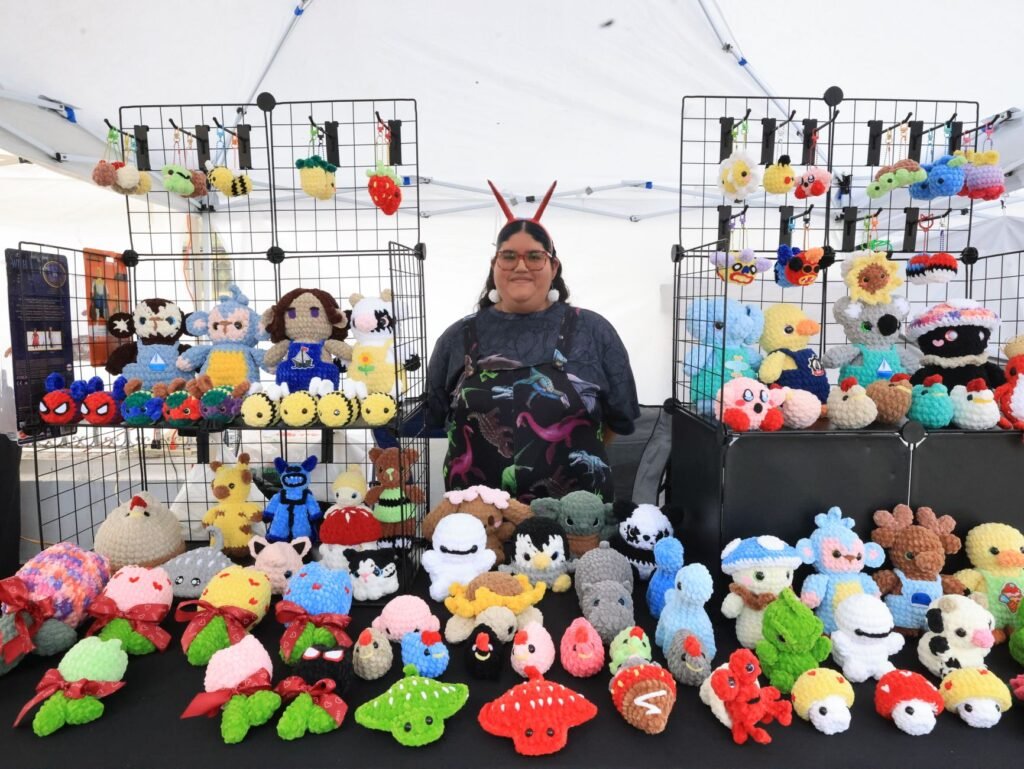
You bought a pattern, you crocheted something beautiful from it, and now someone at a craft fair wants to buy it from you. Can you actually sell it? This question comes up constantly in crochet communities, and it tends to get answered with a lot of confidence and not a lot of accuracy in either direction. Some people insist you can never sell anything made from a purchased pattern. Others insist designers have no say at all once you have bought the pattern. The real answer, at least under general US copyright principles, sits in between, and the more interesting part of the story is actually about ethics and community norms rather than law. A quick note before we dig in: this is general information to help you understand the landscape, not legal advice for your specific situation.
Jump to section
What US Copyright Actually Protects
Copyright law protects “original works of authorship,” and a written crochet pattern qualifies. That means the designer’s copyright covers the specific written instructions, any charts or schematics, and the photographs used to present the pattern. Copying and redistributing the pattern text itself, reposting the designer’s photos as your own, or selling the PDF as though you wrote it would all be clear copyright infringement, and that part is not up for debate.
What copyright generally does not cover is a “useful article,” which is the legal term for an object that has a genuine functional purpose beyond just being decorative or artistic. This is a well established idea in US copyright law, reinforced by court decisions dealing with functional design more broadly. A crocheted hat keeps someone’s head warm. A crocheted dishcloth cleans dishes. A crocheted bag carries things. Because the finished object is functional, and because you are not copying the designer’s written words or photos when you make it, the finished item itself generally falls outside what the pattern’s copyright protects, even though the instructions that guided you are fully protected.
So, In Most Cases, Yes

Put simply: in most situations, you can legally sell a finished item you made yourself by following someone else’s written pattern, because you are selling a useful object you physically created, not a copy of their protected written work. This is the practical foundation that lets an enormous amount of the handmade economy exist. Etsy shops, craft fair tables, and small maker businesses regularly sell finished pieces made from purchased patterns, and that is generally on solid legal footing under this “useful article” reasoning.
There is a genuine gray area worth being honest about, though. If a finished piece has a strongly artistic or sculptural element that could reasonably be separated from its function, some designers and legal commentators argue a stronger copyright claim could theoretically apply to that specific artistic element, similar to how courts have looked at separable decorative designs on otherwise functional objects in other product categories. This is a real, actively discussed nuance in intellectual property circles, but it is also genuinely unsettled and rarely tested in court specifically for crochet or knitting patterns. For the overwhelming majority of hats, blankets, amigurumi, and garments made from a pattern, the useful-article reasoning is what applies, and selling the finished piece is generally fine.
Where It Gets Complicated: Designer Terms and “Do Not Sell” Requests
Here is where the legal answer and the practical answer start to diverge. Many designers include specific terms alongside their patterns: a note that finished items are for personal use only, a request not to sell finished items at all, or a “small business” or “angel” policy that permits selling a limited number of finished pieces per year, often in exchange for crediting the designer or linking back to them.
The tricky part is that these terms are not really an extension of copyright law itself. They function more like a license or a contract term you agreed to when you bought or downloaded the pattern under those stated conditions. Whether such a term is actually enforceable can depend on things like whether the terms were clearly presented before you bought the pattern, and general contract principles, which is a different legal question than copyright over the finished object. In practice, very few of these situations ever get tested in a real dispute, let alone a lawsuit, so there is not a lot of hard precedent to point to either way.
Why the Community Norm Matters Anyway
Even where the strict legal force of a “do not sell” note is genuinely debatable, the crochet and knitting community has settled into a strong shared ethic: respect what the designer asked for, and credit them by name when you do sell finished items from their pattern. There are practical reasons this norm has stuck around beyond just being polite.
Independent pattern designers rely on pattern sales, not finished-item sales, for their income. If crafters route around that by mass-producing and selling finished items without ever crediting or compensating the person who created the design, it can genuinely undercut the designer’s ability to keep creating and publishing new patterns.
Marketplaces often side with the person who complains, regardless of the underlying legal nuance. Selling platforms tend to process takedown requests quickly and are not equipped to adjudicate copyright law themselves, so even a legally debatable complaint from a designer can get a listing pulled. That is a real practical risk worth knowing about, separate from the deeper legal question.
Crediting the designer costs you almost nothing and builds goodwill. A simple line in your listing, something like “pattern by [designer name],” acknowledges the work behind the design, and many designers who do allow finished-item sales specifically ask for exactly this in exchange.
A Practical Way to Handle This
Before selling anything made from a pattern you did not design yourself, read the pattern’s terms, which are usually stated on the listing page or inside the pattern document itself. Many patterns explicitly permit selling finished items, sometimes with a small business allowance capping how many you can sell per year, or a request to credit the designer. If the pattern says nothing at all, crediting the designer anyway is a good default, and reaching out to ask permission directly is always an option if you plan to sell in real volume. If selling handmade crochet is becoming an actual business for you rather than an occasional craft fair table, it is worth treating those designer terms seriously and, if the stakes are meaningful, talking to an actual attorney rather than relying on general guidance like this.
The Bottom Line
Legally, in the US, the finished item you crochet from someone else’s pattern is generally yours to sell, because copyright protects the written pattern and its photos, not the useful object you made from following it. Ethically, the crochet community has built something a little better than the bare legal minimum: a norm of respecting designers’ stated wishes and crediting the people whose creativity made your finished piece possible in the first place. Following both, the legal reality and the community’s better instincts, is the honest, practical way to sell what you make without cutting corners on either.
Frequently Asked Questions
Can I sell something I crocheted from a pattern I bought?
In most cases, yes. Under the “useful article” idea in US copyright law, the finished functional object is generally treated separately from the designer’s copyrighted written instructions and photos. This is general information, not legal advice for your specific situation.
Can a designer legally stop me from selling finished items made from their pattern?
It depends. A “do not sell” note functions more like a license or contract term than copyright law itself, and whether it’s enforceable can hinge on how clearly it was presented and general contract principles — it’s a genuinely unsettled area rather than a clear yes or no.
Do I have to credit the designer if I sell a finished item?
Not always as a strict legal requirement, but it is a strong community norm. Independent designers rely on pattern sales for income, and many who allow finished-item sales specifically ask for credit in exchange.
What should I check before selling handmade crochet made from someone else’s pattern?
Read the pattern’s stated terms first, since many address selling finished items directly. If a business is becoming serious and the stakes are meaningful, talking to an actual attorney is worth it rather than relying on general guidance.
— NoraEvery pattern hand-tested